The power of reuse for food security
If the by-products or the wasted food have some utilization value, then the crucial next question is: Through which channels should they be reused? This is not a simple process; rather, it is a process of turning waste into treasure. What specific useful things can be obtained from it?
The process of reutilization/reuse
Before these wastes can be reused, a screening process is necessary. Usually, it involves identification and sorting, followed by certain safety treatments. Some edible materials can be collected and redistributed more easily, but some materials often require further processing before they can be effectively utilized, such as some industrial by-products or fruit peels, etc. This indicates that reuse is not a natural occurrence but rather depends on a complete set of processes including collection, classification, transportation, treatment and inspection.
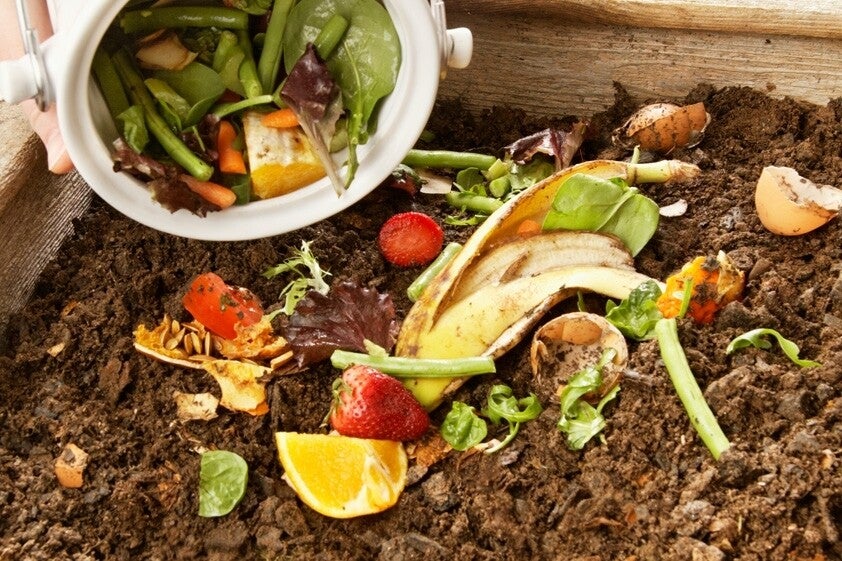
Image Source: Kunjani
What will the waste become?
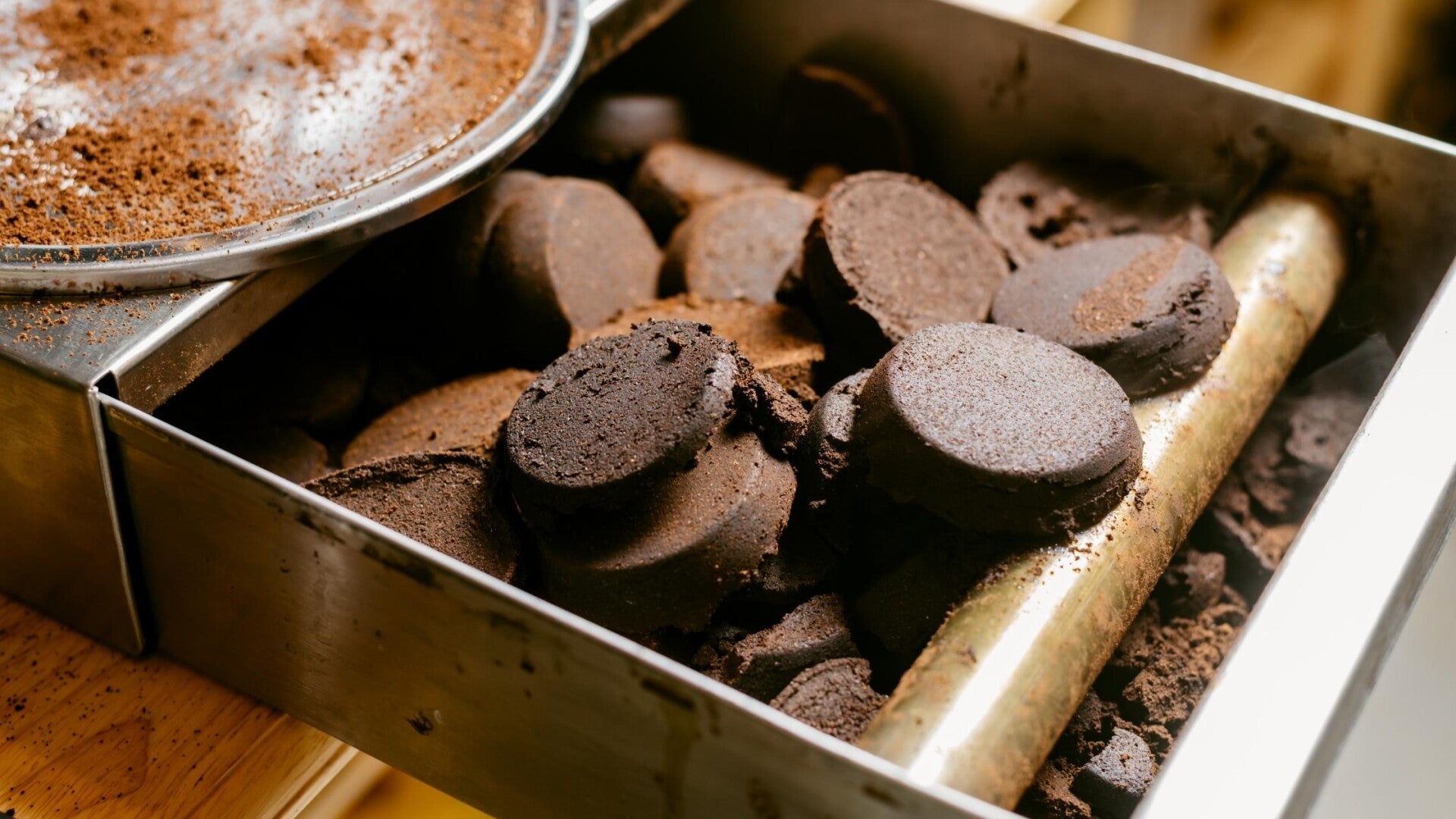
Some still edible wasted food can be redistributed and processed to continue to exist as food. For example, the residues of fruits and vegetables can be reprocessed into new extracts or raw materials rich in dietary fiber. For instance, coffee grounds after brewing can be reused as new packaging materials or for soil improvement. Like the residue of used tofu or soy milk, which still contains nutrients, can be used for feed or baking. Eggshells, which cannot be eaten, can also be crushed and used as fertilizer additives, etc. In general, these discarded wastes can return to the food or grain system in another form.
Image Source: MIT News Office


Image Source: AI-generated infographic for educational use.